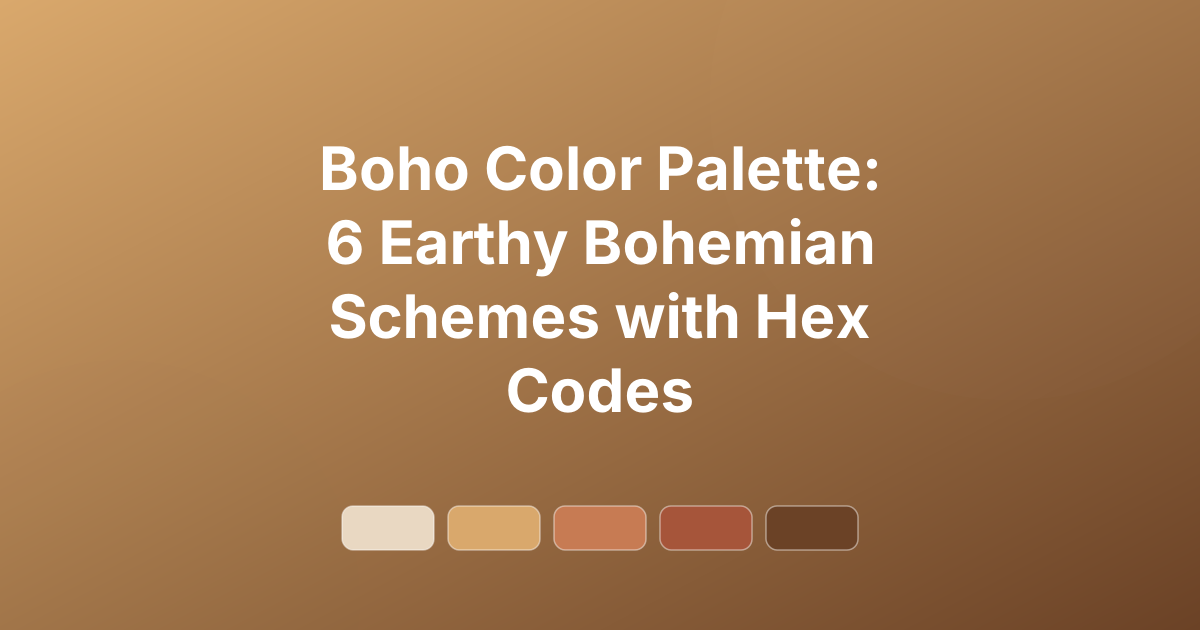
Boho Color Palette: 6 Earthy Bohemian Schemes with Hex Codes
Six warm, earthy boho color palettes with hex codes plus the colour theory behind bohemian style and copy-paste CSS for natural, eclectic designs.
The boho color palette is all about warmth, nature, and a relaxed, lived-in feeling. Short for "bohemian," boho style mixes earthy tones — terracotta, mustard, rust, and olive — with natural textures and a free-spirited, eclectic attitude. It is one of the most enduring aesthetics in interiors, fashion, weddings, and increasingly in web and brand design that wants to feel human and handcrafted.
This guide gives you six ready-to-use boho palettes with hex codes, the logic behind why they work, and copy-paste CSS. Looking for more warm, natural tones? Pair this with our fall color palette and aesthetic color palettes, or browse the full PaletteCSS library.
What defines a boho color palette?
Boho colours are drawn straight from nature — sun-baked clay, dried grass, desert sand, and weathered wood. The defining feature is warmth and earthiness: even the brighter accents (a mustard yellow or a burnt orange) feel muted and organic rather than loud. Boho also embraces a slightly eclectic mix, layering several warm tones together rather than sticking to a strict two-colour scheme.
The core boho building blocks are:
- Terracotta and rust — the warm, clay-toned heart of boho.
- Mustard and ochre — golden yellows that add sunshine.
- Olive and sage — earthy greens that ground the warmth.
- Cream and sand — soft neutrals that tie everything together.
If you want to understand how these warm, analogous tones relate on the colour wheel, our colour theory basics guide is a good next read.
6 boho color palettes (with hex codes)
1. Desert Boho
Sun-baked clay and sand for a calm, grounded feel.
#E9D8C2 · #D9A86C · #C77B53 · #A6553A · #6B4226
2. Terracotta & Olive
Warm clay balanced by earthy green — a boho classic.
#EFE2D0 · #D98E5A · #B5651D · #7A8450 · #4A5240
3. Warm Bohemian
Layered warm tones from cream to deep brown.
#F4E3D7 · #E0A96D · #C97B5A · #9C5C4A · #5E3A2E
4. Mustard Boho
Golden ochre leads this sunny, retro-leaning palette.
#F2E8D5 · #E3B23C · #C9823B · #8A6240 · #5A4632
5. Earthy Eclectic
A rich, layered mix for a maximalist boho look.
#EAD9C0 · #C9A66B · #A1683A · #6E4B3A · #3E2C23
6. Boho Jewel
Earthy base with deeper jewel-toned accents.
#E8D5B7 · #C77B53 · #8E4A49 · #5C6B52 · #2E4046
How to use boho colors in CSS
Save your boho palette as CSS variables so the warm tones stay consistent:
:root {
  --boho-sand:      #E9D8C2;
  --boho-ochre:     #D9A86C;
  --boho-terracotta:#C77B53;
  --boho-rust:      #A6553A;
  --boho-brown:     #6B4226;
}
Earthy gradients also feel very boho:
.section {
  background: linear-gradient(135deg, #E9D8C2 0%, #C77B53 100%);
}
Build and preview your own warm gradient in the CSS gradient gallery.
Tips for designing with boho colors
- Lead with terracotta. It is the signature boho hue — let it dominate and treat mustard and olive as accents.
- Stay muted. Avoid pure, saturated colours; boho lives in slightly dusty, desaturated tones.
- Layer neutrals. Cream and sand backgrounds make the warm colours feel rich rather than heavy.
- Add texture. Boho pairs best with natural imagery — linen, rattan, dried flowers — so leave room for photos.
Frequently asked questions
What colors are boho?
Boho colours are warm and earthy: terracotta, rust, mustard, ochre, olive green, and soft neutrals like cream and sand. They are drawn from natural, sun-baked tones.
What is a good terracotta hex code?
A versatile terracotta is #C77B53. For a deeper, rustier version try #A6553A, and for a softer clay use #D98E5A.
What colors go with boho terracotta?
Terracotta pairs beautifully with cream, sand, mustard yellow, olive green, and deep brown — all warm, earthy tones that keep the bohemian mood.
Want more warm palettes? Explore living room color palettes, browse color palettes on PaletteCSS, or copy any boho hex in a single click.
Ready to use these colors?
Copy hex codes, CSS variables and Tailwind config instantly — free.