10 Calming Bedroom Color Palettes for a Restful Space (With Hex Codes)
Ten calming bedroom color palettes with copy-ready hex codes — from misty sage to dusty blue and soft greige — plus how to apply them with the 60-30-10 rule.
The colors in your bedroom genuinely affect how easily you wind down. Soft, low-saturation tones tell your brain it's time to rest, while bright, high-contrast colors keep you alert. If your room feels restless, the palette on your walls and bedding may be working against you. Below are 10 calming bedroom color palettes, each with copy-ready hex codes and notes on where to use every shade.
Want more soothing schemes? Browse the calm mood palettes on PaletteCSS, all with one-click hex copying.
How to choose a calming bedroom color
- Lower the saturation. Muted, slightly grayed tones rest the eye — a dusty blue calms where an electric blue energizes.
- Lean cool or earthy. Greens, blues, soft greiges and warm neutrals are the most reliably relaxing.
- Use the 60-30-10 rule (explained below) to keep the palette balanced.
10 calming bedroom color palettes
1. Misty Sage
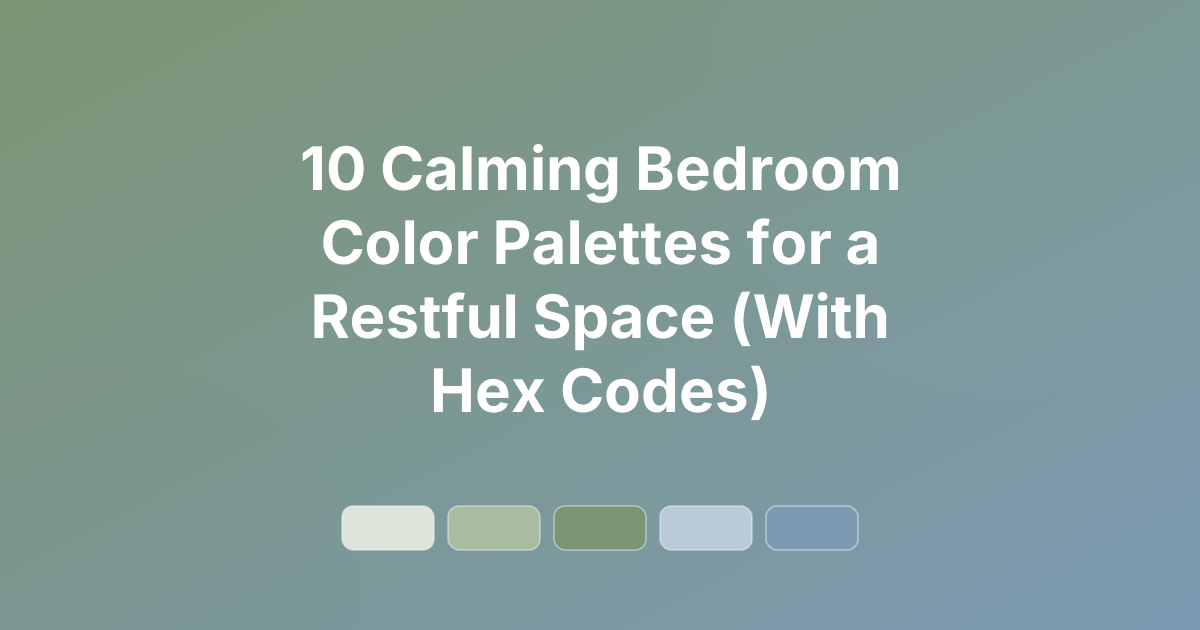
#DDE5DB · #A9BCA1 · #7C9473 · #4A5D52
Sage is the most popular calming bedroom color because it borrows nature's restfulness without feeling cold. Use the lightest tone on walls, mid-green on bedding, and the deepest for a headboard or throw. See more green palettes.
2. Warm Oatmeal
#F3EDE3 · #E0D3BE · #C2A878 · #8C7351
A foolproof neutral scheme for people who find color hard to relax around. Warm beiges feel cozy rather than clinical — pair with wood furniture. Browse beige palettes.
3. Soft Dusk Blue
#E7EDF2 · #B9CBD9 · #7C9BB3 · #44606F
Blue lowers perceived heart rate, making it a classic sleep color. Keep it dusty rather than bright — the muted mid-blue here is the hero on an accent wall. See more blue palettes.
4. Blush Clay
#F6E7E1 · #E8C5BC · #C99C92 · #9C6F66
A warm, grown-up pink-meets-terracotta scheme that feels intimate without being girly. Use blush on walls and clay in textiles.
5. Lavender Haze
#ECE8F1 · #CFC6DF · #A595C0 · #6F6090
Soft purples are linked to calm and creativity. Pale lavender walls with a deeper plum accent make a restful, slightly romantic room.
6. Fog & Stone
#EEEFEF · #D2D6D6 · #A7AFAF · #6E7777
A cool gray monochrome for a minimalist, hotel-like calm. Layer textures like linen and wool so it reads serene rather than flat. See more gray palettes.
7. Greige Calm
#F0ECE6 · #D8D0C5 · #B3A899 · #7E7466
"Greige" (gray + beige) is the designer favorite for bedrooms because it's warm and neutral at once — endlessly easy to accessorize.
8. Seafoam Whisper
#E5F1ED · #BFDFD6 · #8FC0B2 · #5A8C7E
A soft teal-green that feels fresh and spa-like — calm with a hint of coastal energy. Explore similar tones in the pastel theme.
9. Muted Terracotta
#F4E8E0 · #E3C3AE · #C99477 · #9A6650
Earthy warm tones create a grounded, cocoon-like feel. Pair the lightest sand on walls with terracotta bedding and rattan or wood. See the earth theme.
10. Moonlit Indigo
#E8EAF0 · #C2C7D9 · #8B92B3 · #4E547A
For people who sleep better in a darker, moodier room. Soft indigo accents on a pale base feel enveloping without being heavy.
How to apply a palette: the 60-30-10 rule
A palette only feels calm if it's balanced. Designers use a simple ratio:
- 60% — dominant tone (usually the lightest): walls, large rugs, main bedding.
- 30% — secondary tone: headboard, curtains, a feature wall.
- 10% — accent (the deepest shade): cushions, a lamp, art, a throw.
Flip the ratio — too much dark accent — and even a calm palette starts to feel heavy. Keep the deepest shade small. Learn the full method in how to choose a color palette.
Build your own calming palette
Like a direction but want to tweak it? Open the PaletteCSS generator, then filter by the calm mood or a single family like blue or green. Every palette gives you copy-ready hex, CSS variables and Tailwind config in one click — handy whether you're painting a room or designing a sleep-app UI.
Frequently asked questions
What is the most calming color for a bedroom?
Soft, muted green (like sage) and dusty blue are consistently rated the most calming, because cool, low-saturation tones reduce visual stimulation before sleep.
What colors should you avoid in a bedroom?
Bright, highly saturated reds, oranges and electric blues are stimulating and can make it harder to wind down. Use them only as small accents, if at all.
How many colors should a bedroom palette have?
Three to four works best: a light dominant, a mid-tone, and one or two deeper accents. More than that tends to feel busy rather than restful.
Do dark bedroom colors work?
Yes — a deep, muted color like soft indigo or charcoal greige on one wall can feel cozy and cocooning. Keep the saturation low and balance it with lighter bedding.
Keep exploring: 50 beautiful color palettes, pastel color palettes, or browse all calm palettes.
Ready to use these colors?
Copy hex codes, CSS variables and Tailwind config instantly — free.